Article
Bankruptcy and Credit Repair: Timing Your Fresh Start in 2026
Bankruptcy is a fresh start, not a clean slate. A Chapter 7 filing reports for 10 years and a Chapter 13 for seven, and no honest company can erase an accurate one early. But your discharge and your rebuild can begin within months. Here's how the timeline actually works and the concrete steps to start recovering your credit this week.
7 min read
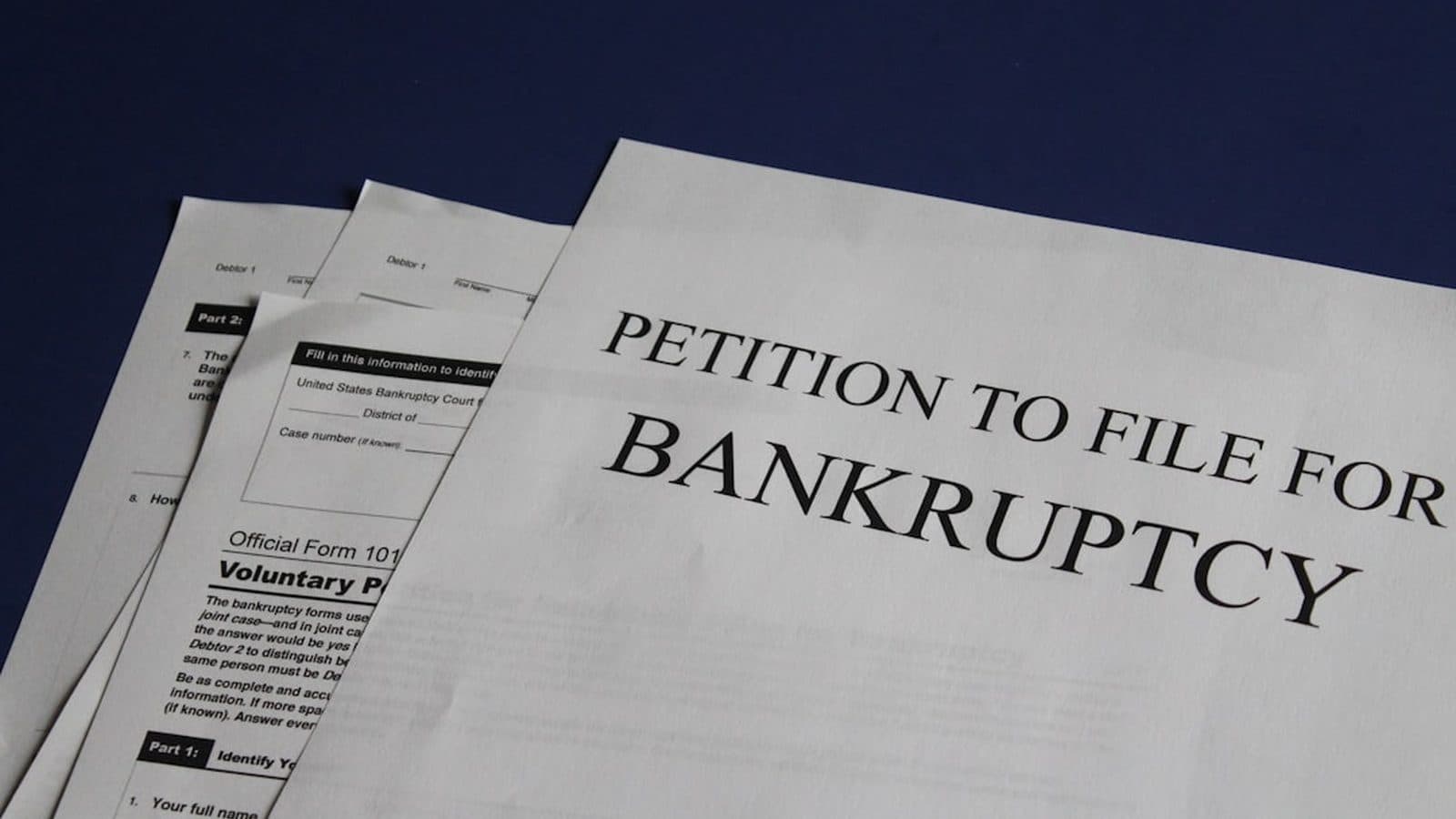
If you've just come through bankruptcy, here's the honest answer to the question you're probably sitting with: it's a fresh start, not a clean slate. A Chapter 7 filing stays on your credit reports for 10 years and a Chapter 13 for seven, and no legitimate company can erase an accurate one before then. The better news is that the part you actually control — rebuilding — can start within months of your discharge, and the damage fades a lot faster than the entry takes to vanish.
This matters most if you're carrying a sub-700 score after a discharge, or you're weighing the credit cost before you file. Federal law fixes the timeline, but how fast you bounce back inside that window is mostly on you. So let's walk through what your fresh start really means, why the timing matters, how the recovery timeline works, and the concrete moves to make this week.
What "timing your fresh start" really means
Bankruptcy runs on two separate clocks, and mixing them up is where a lot of the frustration comes from. The first clock is your discharge — the court order that legally wipes out your eligible debts and tells collectors to stand down. The second is the credit-report entry, a public record of the filing that sits on your file on its own fixed schedule. Your discharge can be final while that entry is still sitting there. They aren't the same thing.
That distinction shapes your whole recovery. The discharge is the financial fresh start; the report entry is the scar that fades with time. You can't delete an accurate bankruptcy entry early, and you should be deeply skeptical of anyone who tells you they can. What you can do is start stacking positive history the moment your case closes — so by the time the entry ages off, your file already tells a very different story.
Why the timeline matters for your credit
The single most useful thing to understand is that the credit damage from a bankruptcy is front-loaded. The hit to your score is biggest in the first year, then it shrinks steadily as the filing ages and you add fresh, positive activity. A bankruptcy that's six months old and one that's six years old are both technically "on your report," but they don't weigh the same to a lender — or to a scoring model.
That's because credit scores are built to reward recent behavior. As your bankruptcy recedes into the past and you stack up months of on-time payments and low balances, the formula leans more on the new pattern than on the old event. Plenty of people see real score recovery well before the entry ever disappears.
So here's the practical version: if you've got a major credit event coming up — a mortgage, an auto loan, a small-business loan in the next 6 to 12 months — your job is to put as much distance and positive history as possible between the filing and the application. Time plus good habits is the lever. Waiting passively for the entry to drop off isn't.
How the bankruptcy credit recovery timeline actually works
Here are the rules, straight from the people who set them. According to the Consumer Financial Protection Bureau (CFPB), a bankruptcy (https://www.consumerfinance.gov/ask-cfpb/how-long-does-a-bankruptcy-appear-on-credit-reports-en-325/), and in certain rare instances it can be reported beyond 10 years. That ceiling comes from the Fair Credit Reporting Act (FCRA) — not from your lender, and not from any repair company.
Within that ceiling, the two common consumer chapters report for different lengths of time. A Chapter 7 — the liquidation path, where a trustee sells non-exempt property to pay creditors — (https://www.experian.com/blogs/ask-experian/when-does-bankruptcy-fall-off-my-credit-report/). A Chapter 13 reports for only seven. The gap reflects the deal you struck: Chapter 13 is a (https://www.uscourts.gov/court-programs/bankruptcy/bankruptcy-basics/chapter-13-bankruptcy-basics) before your remaining eligible debts are discharged, and you get the shorter reporting window in exchange for paying back part of what you owed.
Two details trip people up. First, the clock starts the month you first file with the court — not when your case is discharged or closed — so a Chapter 7 filer is often four or five months into the 10-year window by the time the discharge shows up. Second, accurate entries can't be removed before their expiration date. The CFPB is blunt about this: (https://www.consumerfinance.gov/ask-cfpb/is-it-possible-to-remove-accurate-negative-information-from-my-credit-report-en-1249/). You can dispute a bankruptcy entry only if it's wrong — say, it lists the wrong chapter, the wrong date, or a discharged debt still showing a balance — or if it overstays the seven- or ten-year mark.
What you can do this week
Start by confirming the record is accurate, because errors here are common and worth catching early. Pull all three of your credit reports — they're free every week now from the federally authorized site, annualcreditreport.com. Check three things: that the bankruptcy lists the correct chapter and filing date, that every debt included in the discharge now reads a zero balance, and that no discharged account is still being reported as past due or in collection. Any of those is an inaccuracy you can dispute for free under the FCRA. Our guide on (/how-to-dispute-a-collection-account-2026/) walks through the process step by step, and the same approach works for a mis-reported discharged debt.
Once the record is clean, switch to building. The fastest way to add positive history after a discharge is to open one or two starter accounts and use them lightly. A (/secured-vs-unsecured-credit-cards-bad-credit/) reports to all three bureaus while your cash deposit caps the risk for the issuer. A (/do-credit-builder-loans-work-2026/) does something similar from the lending side, generating a steady run of on-time payments. Becoming an authorized user on a responsible family member's well-aged card can lend you a slice of their history, too. Whatever mix you land on, the rules don't change: keep balances well under 30 percent of your limits, and automate every payment so you never miss one. Those two habits move the needle more than anything else.
If you'd rather hand it to a pro
If the disputing and tracking feels like too much, a credit-repair company can do the legwork — just be clear-eyed about what one can and can't do. A legitimate firm can dispute genuinely inaccurate or expired items for you. None can remove an accurate bankruptcy, and any that promises to should be an immediate no.
The Credit Repair Organizations Act (CROA) hands you three protections worth memorizing before you sign anything: a company can't charge you before the work is done, it has to give you a written contract, and you get a three-day right to cancel. State law can pile on more — a few states cap fees or make the company post a bond — and you can see how your state regulates the industry on your (/california-credit-repair-law/). If you do want help, reputable services such as (/go/the-credit-people/) work within those rules. Credit Repair Review may earn a commission if you sign up through our links. When you're ready, (/#top-companies) and pick the one that fits your situation.
Frequently asked questions
How long does bankruptcy stay on your credit report?
A Chapter 7 bankruptcy stays for 10 years from your filing date, and a Chapter 13 stays for seven years. In both cases the clock starts the month you first file with the court, not when the case is discharged or closed.
Can a credit repair company remove a bankruptcy from my credit report?
No legitimate company can erase an accurate bankruptcy early — it ages off on the FCRA schedule. A repair firm can only dispute a bankruptcy entry that's genuinely inaccurate, such as a wrong filing date or a discharged debt still showing a balance, or one that stays on past its expiration date.
When can I start rebuilding credit after bankruptcy?
Right after your case is discharged, which for a Chapter 7 is often about four months after filing. A secured card, a credit-builder loan, or authorized-user status can start adding positive payment history to your file immediately.
Does bankruptcy hurt my score the whole 7 to 10 years?
No. The damage is heaviest in the first year or two, then fades as the entry ages and you build new positive history. Many people recover a large share of their score well before the bankruptcy entry actually falls off.
What is the difference between Chapter 7 and Chapter 13 for my credit?
Chapter 7 liquidates non-exempt assets and reports for 10 years. Chapter 13 sets up a three-to-five-year repayment plan and reports for seven years. Neither can be deleted early if the entry is accurate.
The bottom line
Bankruptcy gives you a real fresh start, but it comes with a fixed timeline: 10 years on your report for Chapter 7, seven for Chapter 13, and no shortcut around an accurate entry. What you do inside that window is what counts. Confirm your report is accurate, dispute only what's genuinely wrong, and start building positive history the week your case closes. When you're deciding whether to go it alone or get help, (/#top-companies) and pick the path that fits your fresh start.