Article
Credit Card Hardship Programs: What to Ask Before You Enroll, and How It Gets Reported
A hardship program can keep a card from going delinquent, but the reporting outcome depends on your issuer. Ask these questions before you agree to anything.
6 min read
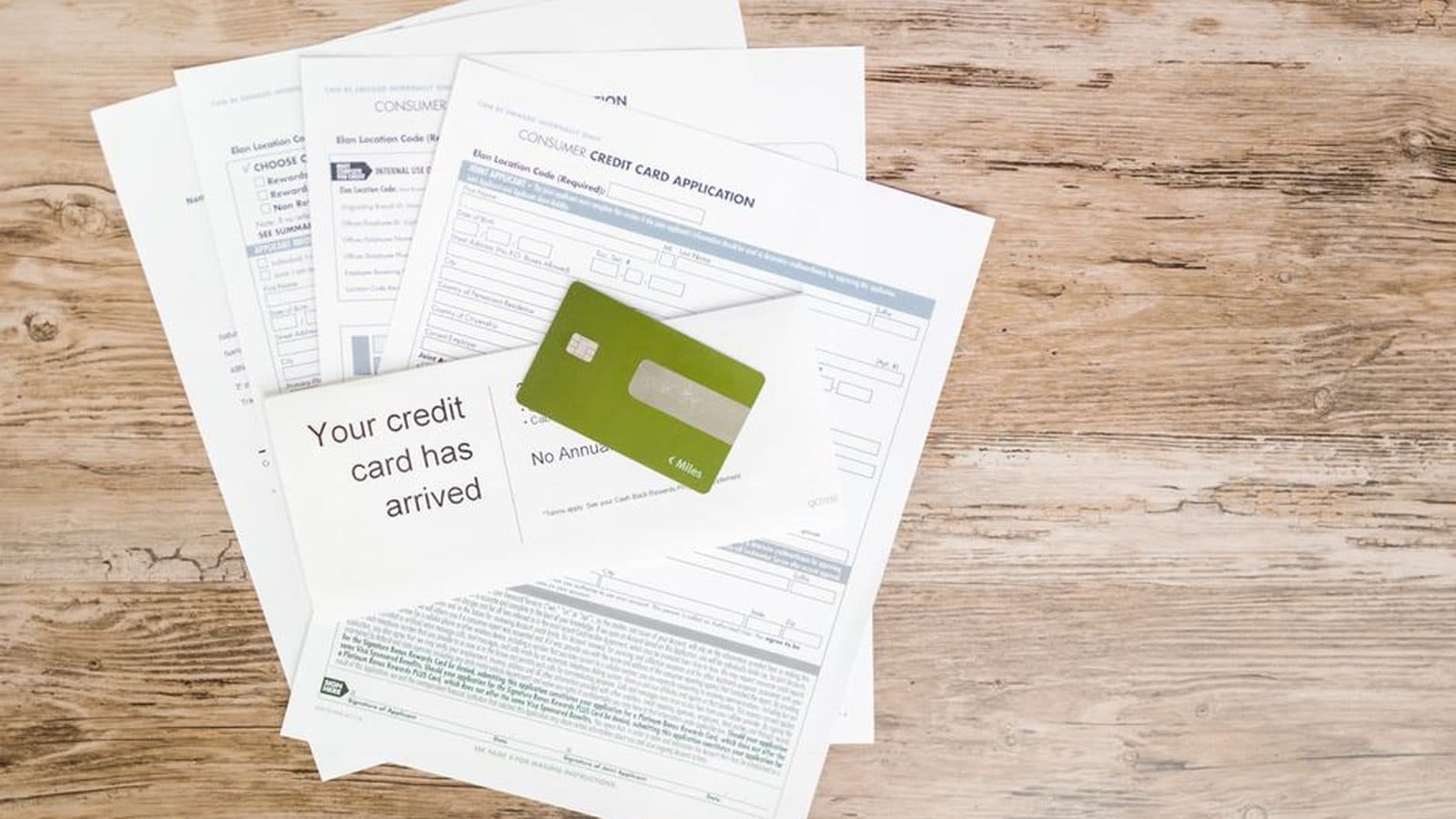
If you expect to miss a credit card payment, calling your issuer before you fall behind is one of the cheapest ways to protect your credit. The catch is that the reporting outcome depends on the issuer, so the most important question to ask is how the plan will be reported to the credit bureaus.
This guide covers what a credit card hardship program is, the questions to ask before you enroll, and how a plan can show up on your credit report.
What a credit card hardship program is
A hardship program is a relief option the card issuer offers when you can't keep up with your payments. The CFPB describes these as (https://www.consumerfinance.gov/about-us/blog/need-help-your-credit-card-debt-start-your-credit-card-company/). What you can get depends on your income, what you can afford to pay and how much you owe.
Common terms include:
- Deferred payments for a set number of months
- A lower monthly payment
- A temporary interest rate reduction
- Waived late or other fees
According to (https://www.experian.com/blogs/ask-experian/what-is-credit-card-hardship-program/), these plans don't eliminate the debt, not every issuer offers them, and those that do generally don't advertise them. You usually have to ask. (https://www.bankrate.com/credit-cards/advice/what-is-a-credit-card-hardship-program/) adds that relief typically lasts a few months to a year, so treat it as temporary.
Timing matters: the CFPB advises contacting the issuer as soon as you expect to miss a payment, before you become delinquent, and getting any agreed option confirmed in writing.
Questions to ask before you enroll
Write these down before you call. They build on Experian's list, grouped by what they protect.
About the relief
- What exactly am I getting: deferred payments, a lower payment, a lower APR or waived fees?
- How long does it last, and what will I owe when it ends?
- Are there any fees to enroll?
About the conditions
- What documentation do you need? Issuers commonly want proof such as a termination letter or medical bills.
- Do I have to set up autopay or complete credit counseling?
- Does one missed payment remove me from the plan?
- Can I afford the new payment? Don't agree to a number you can't sustain.
About the card
- Will the card be frozen, the limit reduced or the account closed?
About reporting
- How will you report this account to the credit bureaus?
- Will the account show as current or in good standing while I'm in the plan?
- Will any notation be removed when the plan ends?
Keep a record of every call, email and chat, and get the terms in writing before you agree.
How enrollment can show up on your credit report
There is no single standard. Experian notes that (https://www.experian.com/blogs/ask-experian/how-forbearance-affects-credit/). For credit cards, a hardship program is usually not reported negatively if you follow the terms. A notation that an account is in forbearance is not treated as negative information, and it can stay on the report as long as the account is open.
Two caveats are worth knowing:
- Other lenders may see it. Experian says that if enrollment is reported, it may not directly affect scores, but lenders reviewing your report can see it. That can matter if you plan to apply for a mortgage or car loan soon.
- Delinquent reporting still hurts. If relief payments are reported as late, the plan can damage your credit. A payment 30 days past due can be reported as late and can lower scores significantly.
That's why the reporting question comes first. Under the Fair Credit Reporting Act (FCRA), the information your issuer sends to the bureaus has to be accurate. If your report shows something that doesn't match what you agreed, you can dispute it, and the bureaus generally have 30 days to investigate. Keep your written agreement, because it's your evidence.
If a notation is on your file and you want to give lenders context, you can add a (/consumer-statement-credit-file-helps-backfires/), though it doesn't always help. For a related case where lenders use special coding, see our guide to (/protect-credit-after-natural-disaster-forbearance-disaster-code/).
What it can do to your score
A well-run plan can help you avoid the worst outcome, which is a string of late payments. The CFPB notes that missed payments can be reported and stay on your report for up to seven years. A plan that keeps the account from going past due can prevent that damage.
The risks are mostly indirect:
- Lower credit limit. If the issuer cuts your limit, your utilization ratio rises, and that can hurt your scores.
- Closed account. Losing the available credit can also push utilization up, and over time it can shorten your credit history. Read more about (/does-closing-a-credit-card-hurt-your-score/).
- Growing balance. Interest may keep accruing, which raises the balance and the utilization rate on that card.
Interest, autopay and what happens when the plan ends
Don't assume interest stops. Bankrate warns that interest can keep accruing during the program, so your balance may grow even when payments are reduced or paused, and a longer repayment period can raise the total interest you pay. Your account may also be frozen, which means no new purchases. Some issuers require autopay from your bank account.
Before you sign, ask for the end-of-plan terms in writing: the payment, the rate and the balance you'll owe. Surprises at the end are how people fall behind again.
If your issuer says no
Issuers can decline, and eligibility varies. Alternatives include:
- Asking the issuer directly for a lower APR
- A (/balance-transfers-and-your-credit-score/) card, which typically charges a 3% to 5% transfer fee
- A debt consolidation loan
- Asking other lenders about deferment or forbearance
- A nonprofit credit counselor. A debt management plan usually requires closing the enrolled cards, so compare it with other paths in our guide to (/debt-management-plan-vs-debt-settlement-vs-credit-repair/).
Be careful with paid help. The CFPB notes that debt settlement companies often charge 20 to 25 percent or more of the settled amount. Under the Credit Repair Organizations Act (CROA), a credit repair company can't charge you up front before it performs services, must give you a written contract, and must give you three days to cancel. Asking your issuer for a hardship plan yourself costs nothing, so you never need to pay a third party just to make the request.
Bottom line
A hardship program is worth asking about early, before a missed payment is reported. Get the relief, the conditions and the reporting method in writing, and watch your report afterward to confirm it matches. If you decide you need outside help with your credit, (/#top-companies) before paying anyone.
Frequently Asked Questions
Does a credit card hardship program hurt my credit score?
Enrolling is generally not treated as negative if you follow the terms, but results vary by issuer. Indirect effects such as a lower limit, a closed account or accruing interest can raise your utilization and lower your scores.
Will a hardship program show on my credit report?
It might. Each lender decides how it reports a plan, and other lenders reviewing your report may see a notation. Ask the issuer exactly how it will report the account.
Can I get a hardship program if I'm already behind?
Sometimes, but the CFPB advises contacting the issuer as soon as you expect to miss a payment. Eligibility is set by the issuer and may require documentation of your hardship.
Do I have to pay anything to enroll?
The sources we reviewed don't describe an enrollment fee for an issuer's own program, but terms differ, so ask. Be wary of companies that charge you to negotiate something you can request yourself.
What happens when the program ends?
Payments and rates typically return to the original terms or a new agreed schedule. Ask what you will owe at the end, and get it in writing.