Article
Can You Check Credit Card Pre-Approval Without Hurting Your Score?
Checking credit card prequalification or pre-approval uses a soft inquiry, so it doesn't lower your score. A formal application usually doesn't work that way. Here is how to check safely.
6 min read
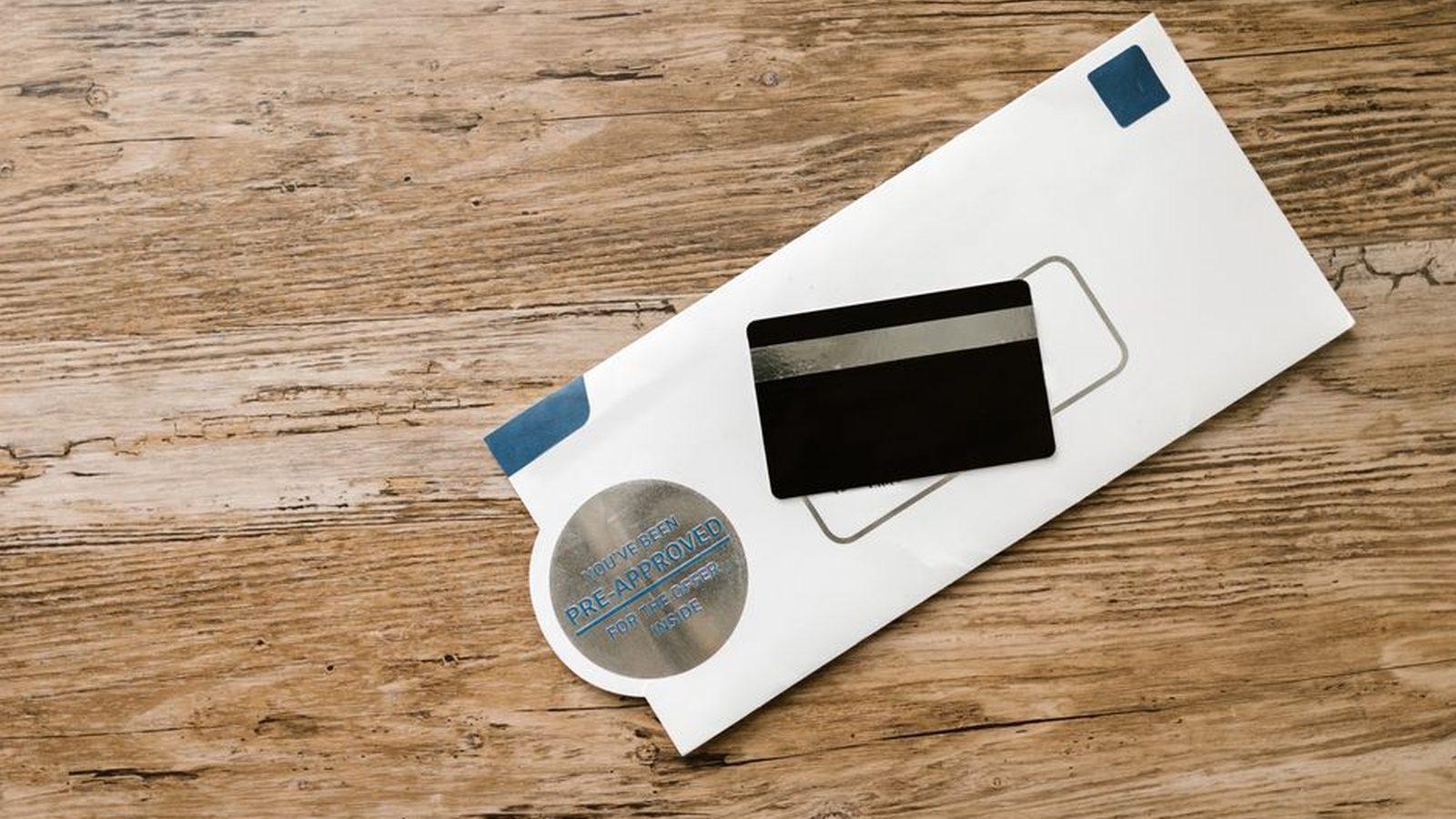
Yes, you can. Credit card prequalification and prescreened offers use a soft inquiry, which doesn't affect your credit score. The score hit comes later, when you submit a formal application and the issuer runs a hard inquiry.
That makes prequalification the safest first step when your credit is bruised and every point matters. It has limits, though, and for lower scores the offers that come back deserve a close read before you apply.
Soft inquiry vs. hard inquiry
Prequalification uses a soft credit check, which doesn't negatively impact your credit score. The issuer looks at some basic information about you and your credit file to see whether you fit the card. That's it.
A formal application is different. It triggers a hard inquiry, which Experian says can (https://www.experian.com/blogs/ask-experian/how-to-prequalify-for-a-credit-card/). Bankrate adds that a hard inquiry (https://www.bankrate.com/credit-cards/advice/credit-card-preapproval/). For a full breakdown of the (/soft-pull-vs-hard-pull-credit-score-impact/), see our explainer.
The practical rule: checking is free of score risk, applying is not. If you apply for a card you were never likely to get, you take the hard inquiry and get no card.
Prequalified vs. preapproved
You'll see both words, and issuers often use them loosely. In general, prequalification is something you start yourself, usually on the issuer's website. Preapproval is usually something the issuer starts, such as an offer that arrives in the mail. Experian notes that some issuers (https://www.experian.com/blogs/ask-experian/how-to-prequalify-for-a-credit-card/).
For credit cards, the score effect is the same either way. Experian says that (https://www.experian.com/blogs/ask-experian/pre-approved-vs-pre-qualified-whats-the-difference/), because the check usually results in a soft inquiry.
Be careful with other products. The same Experian page says auto loans and mortgages will typically result in a hard inquiry at the preapproval stage. The soft-check rule above is about credit cards.
Three ways to check without a hard pull
Use the issuer's own tool
Many major issuers have a prequalification tool on their website. Bankrate's roundup shows (https://www.bankrate.com/credit-cards/advice/credit-card-preapproval/) among them, while US Bank doesn't offer one. Expect to enter basics such as your income, monthly housing payment and your Social Security number (some tools ask only for the last four digits).
Watch for prescreened offers
Offers that arrive by mail or email often come from a bureau list. A creditor sets requirements, then asks a credit bureau for the people whose reports meet them. The FTC says (https://consumer.ftc.gov/articles/what-know-about-prescreened-offers-credit-and-insurance). The inquiries show up on your report, but they won't hurt your credit.
Try an aggregator
Comparison sites can show offers you're likely to prequalify for from several issuers at once. Experian describes this route as returning results (https://www.experian.com/blogs/ask-experian/how-to-prequalify-for-a-credit-card/). Read the disclosure first so you know whether it's a soft check.
One more point from Experian: there's (https://www.experian.com/blogs/ask-experian/how-to-prequalify-for-a-credit-card/). You can check even if your score is low. You just may not like what comes back.
What prequalification can't promise
It isn't an approval. Experian is blunt about it: (https://www.experian.com/blogs/ask-experian/how-to-prequalify-for-a-credit-card/). The final decision comes with the formal application, which will likely produce a hard inquiry.
Things can change between the check and the application. A lender can still deny you if (https://www.experian.com/blogs/ask-experian/pre-approved-vs-pre-qualified-whats-the-difference/), for example a drop in income or a new account on your report. Prescreened mailings also may show a range of terms, so you may not know your exact offer until you apply.
Treat a prequalification result as a good sign, not a promise.
If you do get denied after a favorable result, ask the issuer for the reason. Under the FCRA, a lender that turns you down based on your credit report has to tell you which bureau supplied it, and you can then request your report and check it for errors. A denial that traces back to a mistake is worth disputing before you try again. Our advice: pull your reports at annualcreditreport.com, fix what's wrong, and only then apply again.
Prescreened mail offers and opting out
Prescreened offers have a legal basis. Under the Fair Credit Reporting Act (FCRA), prospective creditors can (https://www.consumerfinance.gov/ask-cfpb/who-can-request-to-see-my-credit-report-en-1305/), and you can opt out of prescreening.
If the mail piles up, the FTC lists two choices at optoutprescreen.com or 1-888-567-8688:
- Opt out for five years.
- Opt out permanently, which requires signing and returning the Permanent Opt-Out Election form you get online.
Requests are processed within five days, but (https://consumer.ftc.gov/articles/what-know-about-prescreened-offers-credit-and-insurance) before the offers stop. Opting out only covers offers built from the major bureaus' lists. And it's worth pausing before you do it: the FTC points out that since you were prescreened, only under limited circumstances would you be turned down, and some card products are available only through prescreened offers.
What to watch for with bad credit
Prequalifying with a low score is easy. Choosing from the results is the hard part. Bankrate warns that when your score is rough or your history is thin, many prequalified offers carry (https://www.bankrate.com/credit-cards/advice/credit-card-preapproval/), the so-called "fee-harvester" cards.
Before you apply for any of them:
- Check the annual fee, any program or monthly fees, and the APR.
- Look at how much of the credit limit the fees take. Our piece on (/subprime-credit-card-fees-25-percent-first-year-cap/) shows how that works.
- If a card is marketed as a secured card with no deposit, read (/secured-credit-card-no-deposit-what-it-means/) first.
What to do before you apply
- Treat the result as an estimate. Apply only if the card's terms make sense for you.
- Compare more than one offer. A prequalification check costs your score nothing, so run several.
- Space out applications. Experian suggests spacing them by at least six months, since each one can trigger a hard inquiry.
- Consider the card type. If offers for unsecured cards look expensive, compare (/secured-vs-unsecured-credit-cards-bad-credit/).
The bottom line
Checking credit card pre-approval doesn't hurt your score, because it relies on a soft inquiry. Applying usually does cause a small, temporary dip. Use prequalification to narrow your options, read the fees on anything aimed at low scores, and apply only when you're comfortable with the terms. When you're ready to look at help beyond cards, (/#top-companies).
Frequently Asked Questions
Does checking credit card pre-approval hurt my credit score?
Generally no. Prequalification and prescreening use a soft inquiry that doesn't affect your score. A formal application usually triggers a hard inquiry, which can lower your score by a few points for a while.
Is a pre-approved credit card guaranteed?
No. Neither prequalification nor preapproval guarantees approval. The final decision comes with the formal application, and your financial standing can change in between.
Can I prequalify with bad credit?
Yes. Experian says there's no minimum credit score requirement to prequalify. Offers aimed at lower scores often carry high fees, so read the terms before you apply.
How do I stop pre-approved offers in the mail?
Go to optoutprescreen.com or call 1-888-567-8688. You can opt out for five years or permanently, and it may take several weeks before the mail stops.